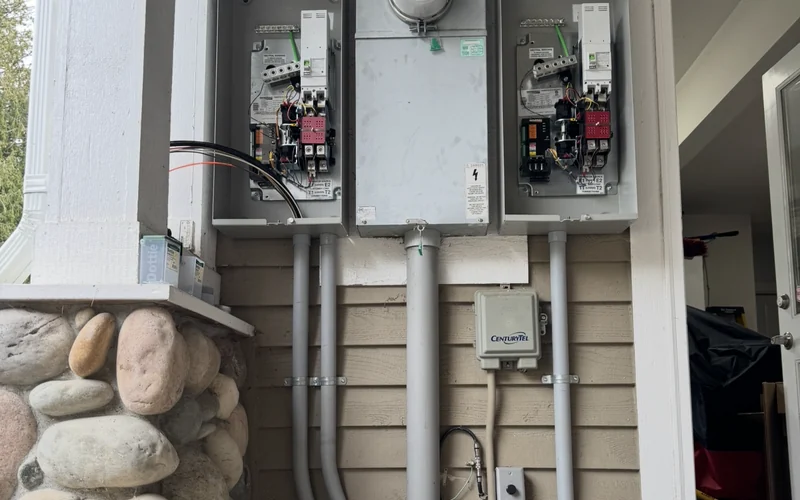
Essential-circuit backup
A focused system can keep selected heating, refrigeration, pumping, lighting, and communication loads operating.
Keep essential home systems ready for outages with a standby generator sized around the loads that matter to you. Electric Edge installs Generac and Kohler systems throughout Snohomish County.

A standby generator should be sized for the systems you actually need during an outage—not chosen by square footage alone. Heating, refrigeration, well pumps, sump pumps, medical needs, lighting, internet, cooking, and other loads can have very different starting and running demands.
Electric Edge identifies those priorities, reviews the electrical service, and coordinates a generator and transfer strategy that is understandable. We explain whether the project is best suited to selected circuits, load management, or broader whole-home coverage.
Good electrical planning also looks beyond the immediate installation. Access, equipment clearances, circuit labeling, permits, inspection requirements, manufacturer instructions, utility coordination, finish impacts, and future loads can all shape a durable result. Before work begins, Electric Edge identifies the assumptions that affect scope and explains the choices in practical language. During installation, the team protects the work area, follows the agreed plan, and tests the completed system. At handoff, homeowners understand what was installed, how it operates, and which maintenance or future considerations deserve attention. That disciplined process helps prevent surprises and makes the improvement easier to own long after the electrician leaves. It also gives homeowners a clear baseline for routine testing, service planning, and future electrical decisions.
Talk with an electricianA professional assessment connects visible symptoms and project goals to the condition and capacity of the electrical system.
The right scope depends on the home, existing equipment, access, load requirements, and future plans.
A focused system can keep selected heating, refrigeration, pumping, lighting, and communication loads operating.
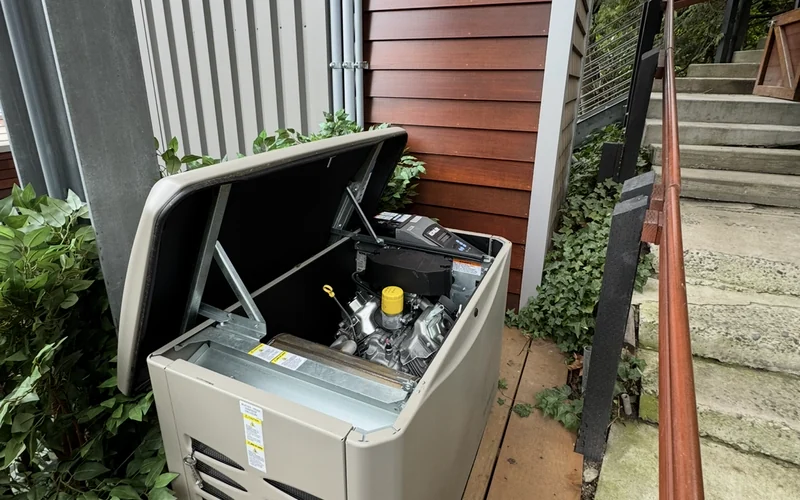
Load-management controls can prioritize equipment and reduce simultaneous demand when appropriate.
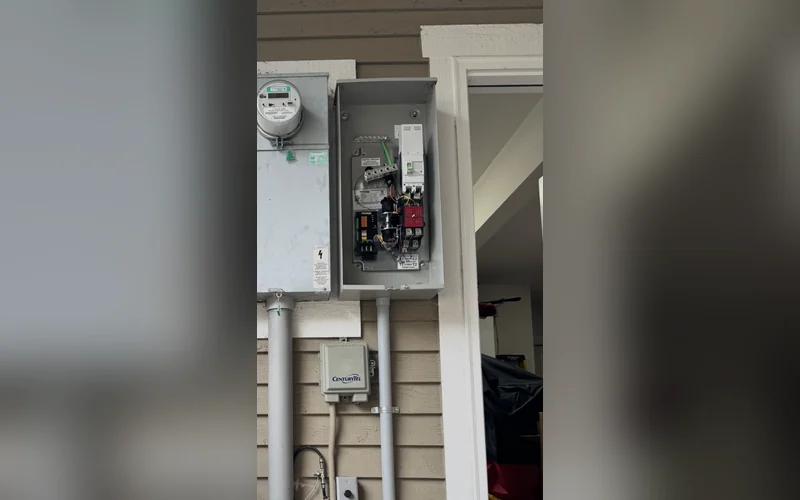
Transfer equipment monitors utility power and safely changes the connected load to generator power during an outage.
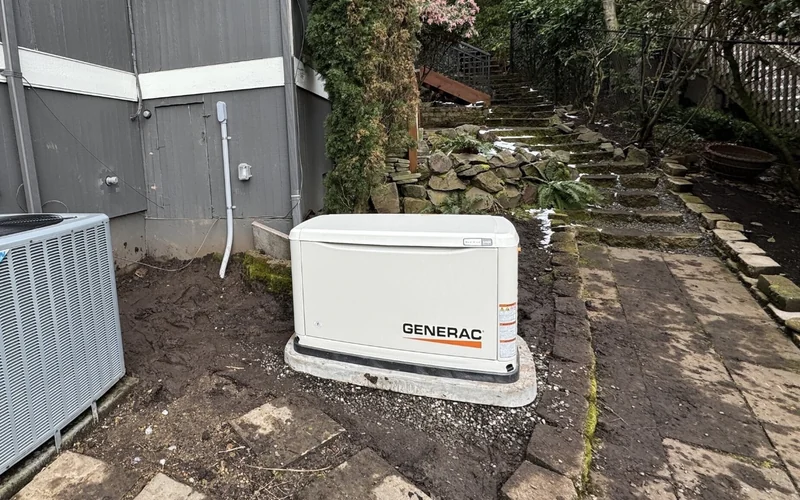
Installation and electrical integration for appropriately selected Generac residential equipment.
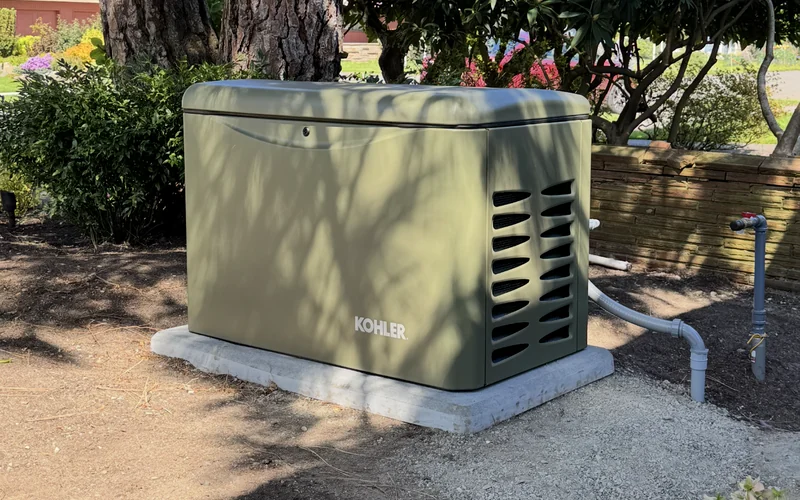
Installation and electrical integration for appropriately selected Kohler residential equipment.
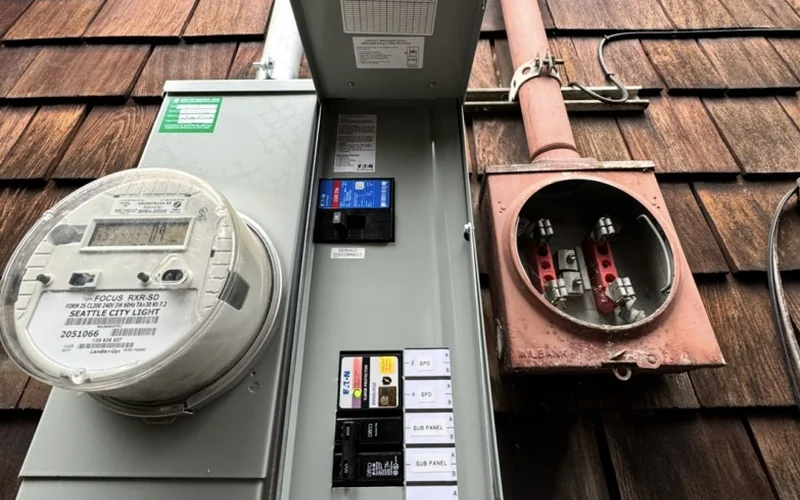
Panel changes, service work, surge protection, and dedicated circuits can be incorporated when the assessment identifies a need.
Electric Edge keeps the project understandable from the first conversation through final testing.
We identify what you want operating during an outage and which loads are optional.
Service equipment, load data, transfer location, generator placement, access, and fuel coordination are evaluated.
The scope explains generator size, transfer strategy, supported loads, related electrical work, and coordination items.
Electrical equipment is installed, the system is tested, operation is demonstrated, and maintenance expectations are reviewed.
Veteran-owned Electric Edge brings disciplined planning and practical communication to residential electrical projects across Snohomish County.
Recommendations start with priority loads and equipment requirements rather than a generic home-size formula.
Electrical, placement, transfer, and fuel considerations are identified before installation.
You receive an explanation of operation, test behavior, supported loads, and routine maintenance responsibilities.
Sizing depends on the specific loads you want to run, their starting demand, fuel availability, and whether load management is used. An on-site assessment is the right starting point.
It can, when the generator and supporting systems are designed for the connected demand. Many homeowners instead prioritize essential loads or use load management.
It monitors utility power, isolates the home from the utility when required, and transfers the connected load to generator power. It transfers back after utility service stabilizes.
Many standby systems use natural gas or propane. Fuel availability and capacity must be confirmed and coordinated with appropriately licensed professionals.
Placement depends on manufacturer instructions, clearances, openings, airflow, service access, property conditions, and applicable requirements.
Routine exercising, inspection, and manufacturer-specified service are important. The exact schedule depends on the equipment and operating conditions.
Request a free estimate from Electric Edge and get a practical next step for your project.