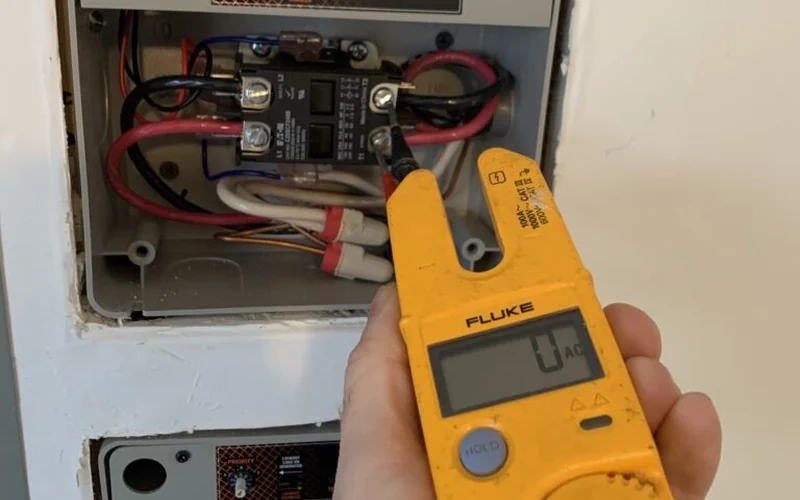
Electrical troubleshooting
Systematic testing for loss of power, intermittent operation, nuisance trips, flicker, buzzing, and other symptoms.

Get clear help with electrical problems, repairs, device replacements, lighting, and new dedicated circuits. Electric Edge serves homeowners across Snohomish County with practical troubleshooting and straightforward recommendations.
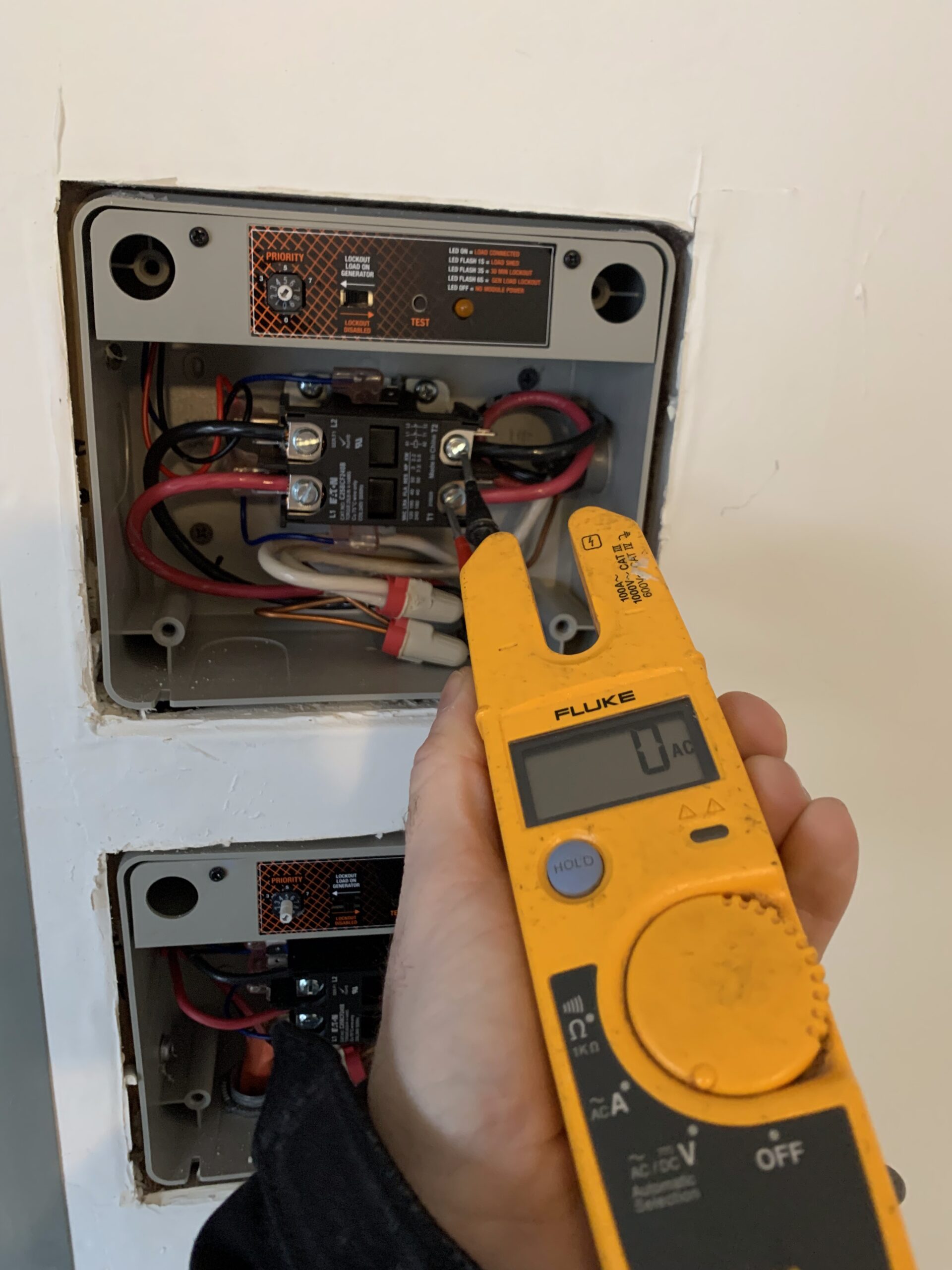
Electrical problems rarely arrive with a neat label. A dead outlet may be caused by a tripped protective device, a loose connection, an upstream failure, or a circuit issue. Flickering lights, warm switches, repeated breaker trips, and intermittent power also require methodical diagnosis rather than guesswork.
Electric Edge begins with the symptoms, recent changes, and the affected area. We test the system, explain what we find, and outline the repair or improvement options. When a larger project is uncovered, you receive a clear path forward instead of a rushed patch.
Good electrical planning also looks beyond the immediate installation. Access, equipment clearances, circuit labeling, permits, inspection requirements, manufacturer instructions, utility coordination, finish impacts, and future loads can all shape a durable result. Before work begins, Electric Edge identifies the assumptions that affect scope and explains the choices in practical language. During installation, the team protects the work area, follows the agreed plan, and tests the completed system. At handoff, homeowners understand what was installed, how it operates, and which maintenance or future considerations deserve attention. That disciplined process helps prevent surprises and makes the improvement easier to own long after the electrician leaves.
Talk with an electricianA professional assessment connects visible symptoms and project goals to the condition and capacity of the electrical system.
The right scope depends on the home, existing equipment, access, load requirements, and future plans.
Systematic testing for loss of power, intermittent operation, nuisance trips, flicker, buzzing, and other symptoms.
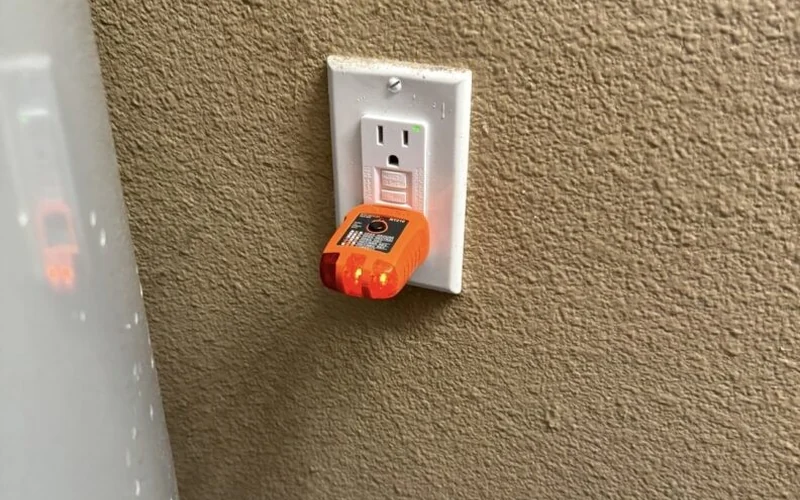
Repair or replacement of worn, damaged, loose, or outdated devices, including appropriate protective devices.
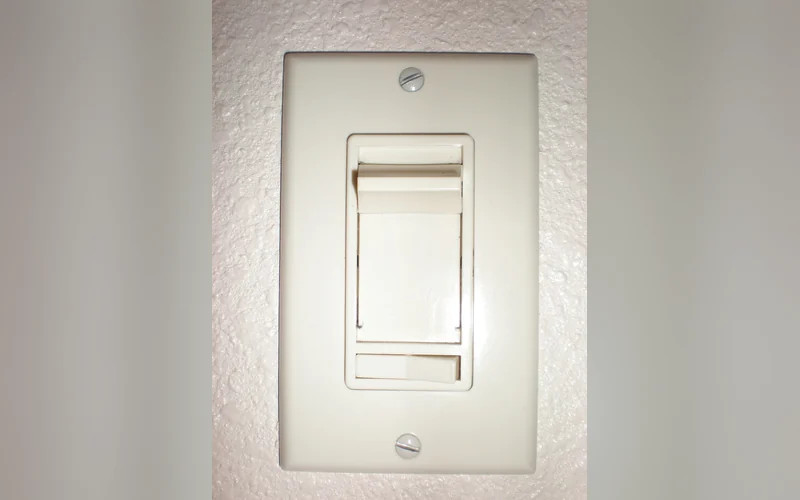
Fixture replacement, new lighting locations, dimmers, timers, sensors, and troubleshooting for lighting circuits.
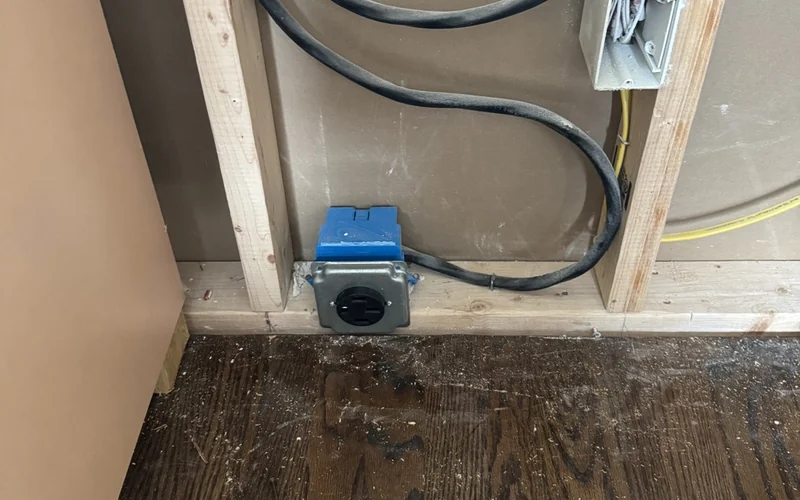
New circuits for appliances, hot tubs, workshops, HVAC equipment, and other residential loads after capacity review.
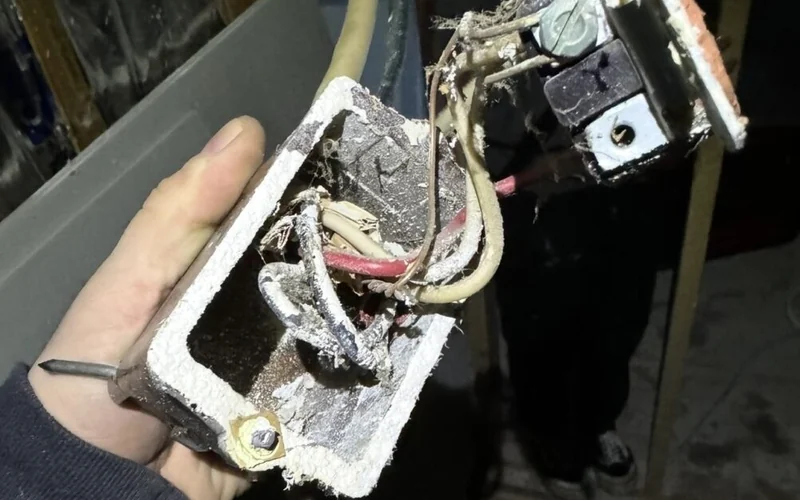
Corrections for accessible defects, labeling, grounding and bonding concerns, and documented inspection findings.
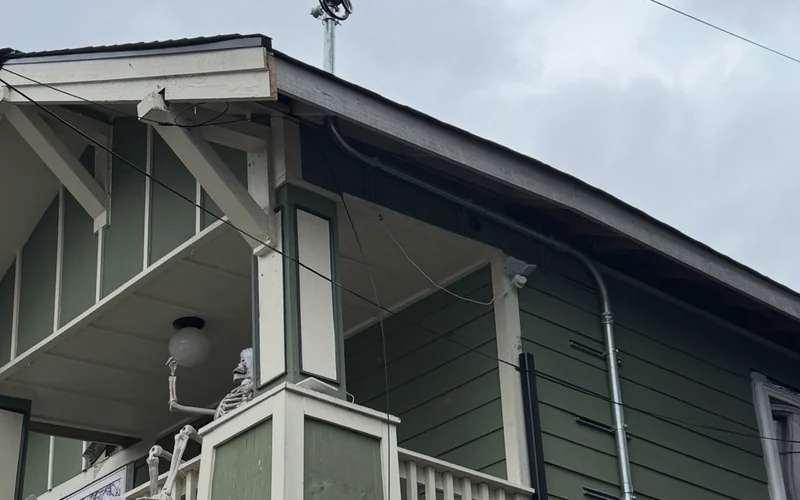
When troubleshooting reveals broader panel, service, rewiring, surge, or backup-power needs, we can define the next project.
Stock images are illustrative, not photographs of Electric Edge projects. Photos cropped/resized; adaptations remain under their original licenses.
Electric Edge keeps the project understandable from the first conversation through final testing.
Tell us what is happening, where it occurs, when it started, and whether any recent work or equipment change may be related.
The affected devices, circuit, panel, and accessible connections are tested to identify the likely cause.
You receive a clear explanation of the finding, the recommended repair, and any related work worth considering.
Approved work is completed, operation is tested, and the outcome or next step is reviewed with you.
Veteran-owned Electric Edge brings disciplined planning and practical communication to residential electrical projects across Snohomish County.
We work from evidence and testing so repairs address the cause rather than only resetting the symptom.
Findings, priorities, and options are explained in practical language.
If a service call develops into panel work, rewiring, EV charging, or backup power, Electric Edge can coordinate the next phase.
Describe the symptom, affected rooms or devices, when it started, whether it is constant or intermittent, and any recent electrical or appliance work.
Turn off power only if you can do so safely, leave the area, and contact emergency services when there is smoke, fire, or immediate danger. Do not continue using the affected equipment.
A breaker may trip because of overload, a short circuit, a ground fault, damaged equipment, or a wiring problem. Repeated trips should be diagnosed rather than repeatedly reset.
Yes. The equipment specifications, location, route, protection, and available electrical capacity should be reviewed before the circuit is installed.
Yes. Share the report or relevant pages so findings can be evaluated, prioritized, and translated into a practical scope.
Broader work may be appropriate when symptoms involve aging wiring, widespread device failures, a crowded or damaged panel, insufficient capacity, or multiple connected defects.
Request a free estimate from Electric Edge and get a practical next step for your project.
