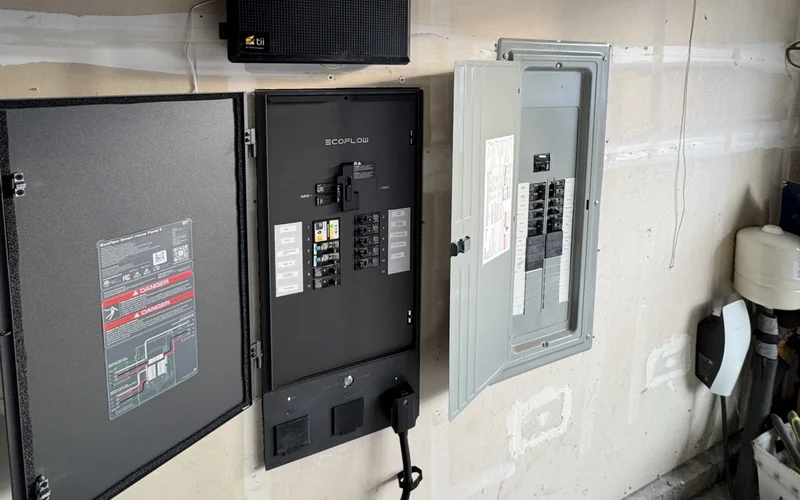
Essential-load backup
A selected-load design can reserve stored energy for the household systems you consider most important.
Store energy for outages, time-of-use goals, or future solar with a battery system planned around your home and priorities. Electric Edge installs FranklinWH, SPAN, and Generac solutions in Snohomish County.
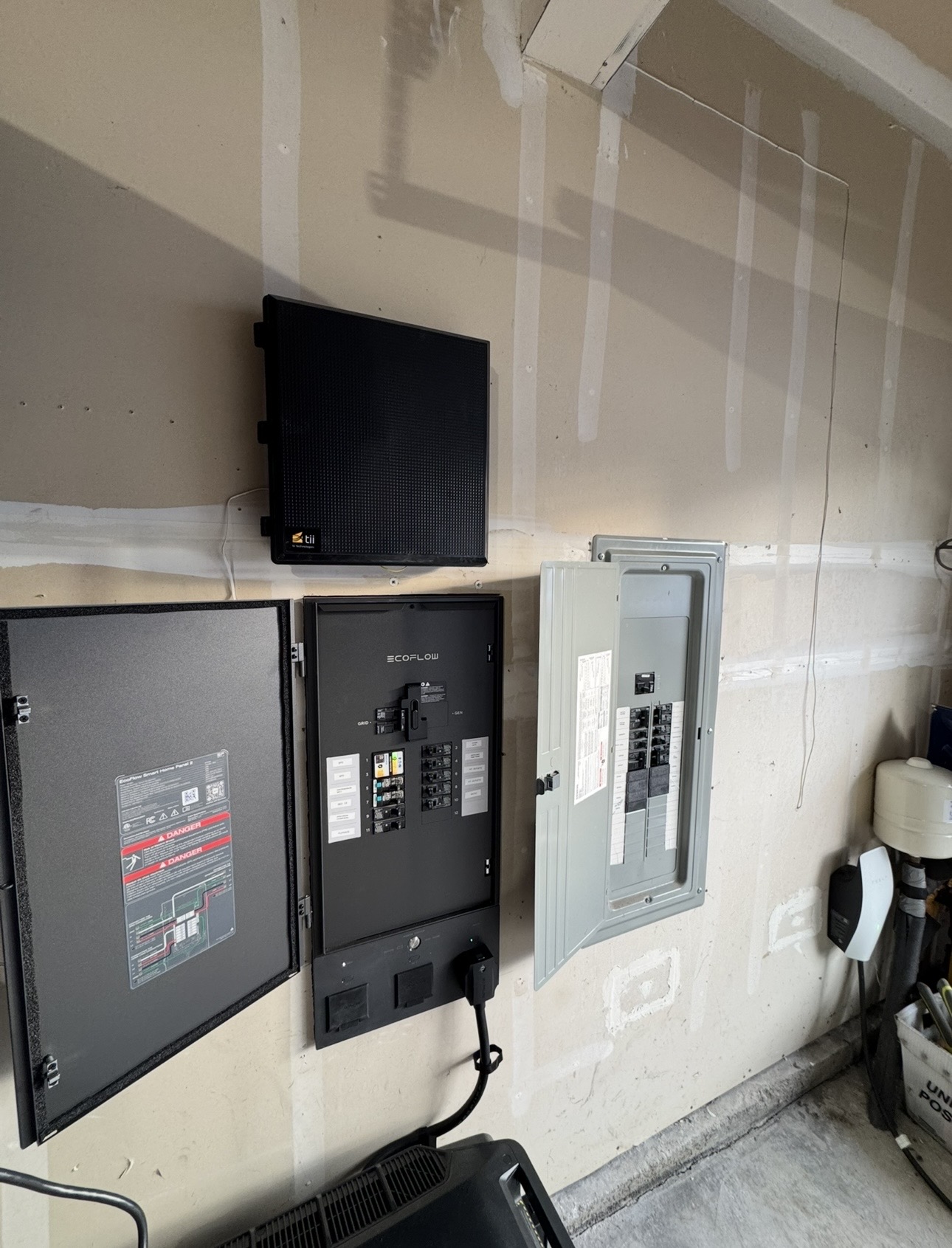
A home battery can provide quiet backup power without fuel handling, but useful performance depends on much more than the battery nameplate. Usable energy, inverter output, motor starting loads, backup duration, recharge conditions, panel configuration, and the circuits selected for backup all matter.
Electric Edge begins with the outage experience you want. We identify priority loads, review the electrical system, and explain how different battery capacities and control strategies affect runtime and coverage. The goal is a system you understand before installation begins.
Good electrical planning also looks beyond the immediate installation. Access, equipment clearances, circuit labeling, permits, inspection requirements, manufacturer instructions, utility coordination, finish impacts, and future loads can all shape a durable result. Before work begins, Electric Edge identifies the assumptions that affect scope and explains the choices in practical language. During installation, the team protects the work area, follows the agreed plan, and tests the completed system. At handoff, homeowners understand what was installed, how it operates, and which maintenance or future considerations deserve attention. That disciplined process helps prevent surprises and makes the improvement easier to own long after the electrician leaves.
Talk with an electricianA professional assessment connects visible symptoms and project goals to the condition and capacity of the electrical system.
The right scope depends on the home, existing equipment, access, load requirements, and future plans.
A selected-load design can reserve stored energy for the household systems you consider most important.
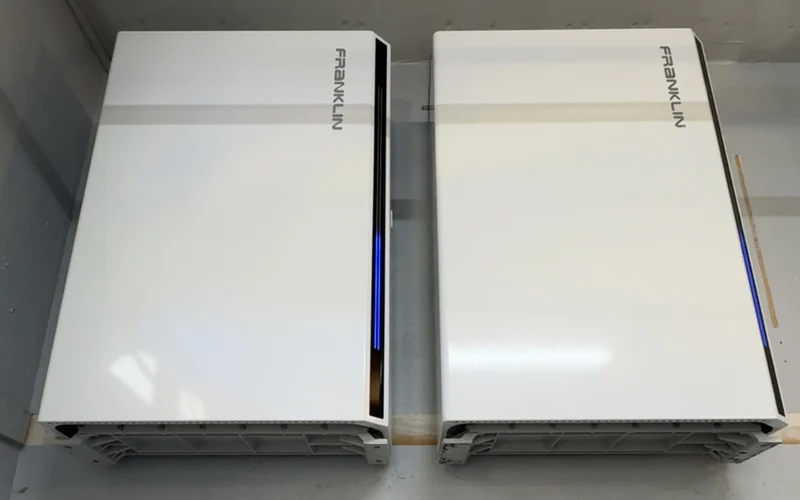
Larger or modular systems can support more loads when the electrical design and equipment capacity allow.
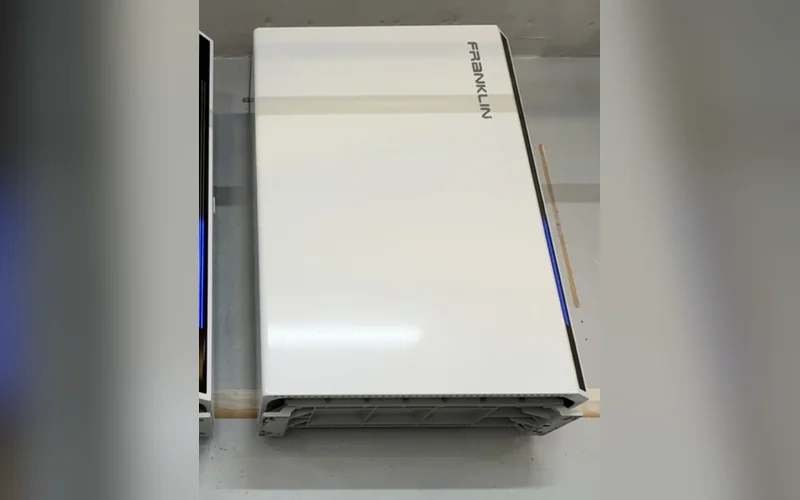
Integrated home energy management and battery installation planned around compatible equipment and site conditions.
Battery and control equipment installation for compatible residential backup applications.
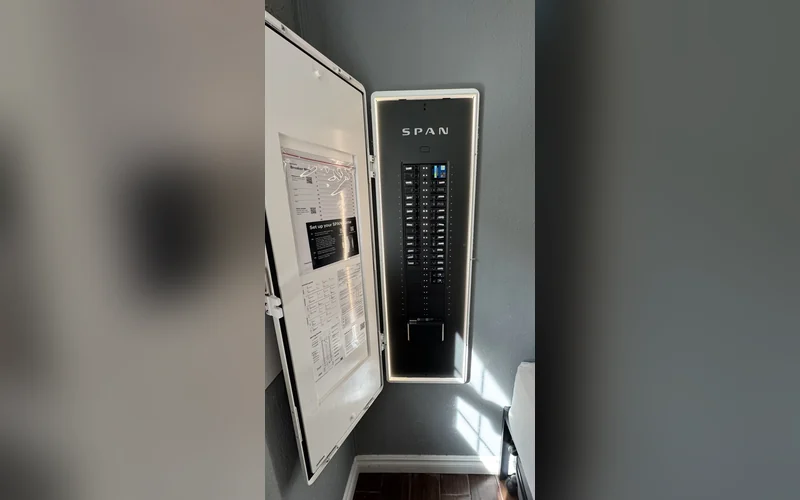
Smart electrical panel technology can provide circuit-level visibility and control when it fits the project.
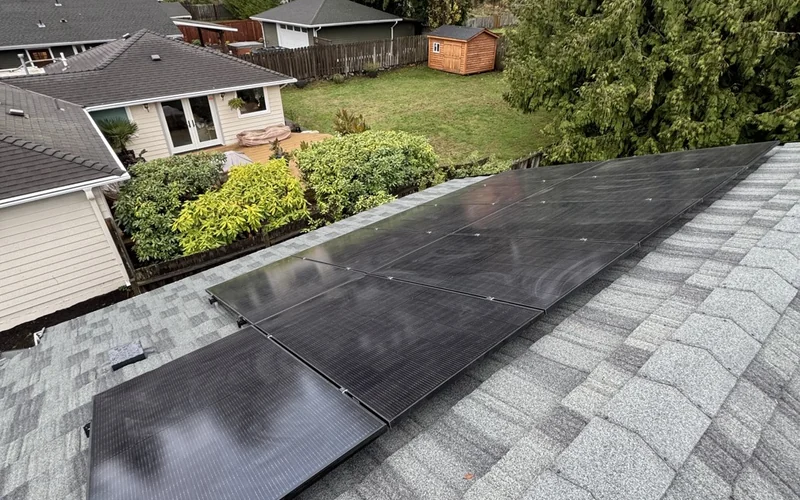
Battery planning can be coordinated with existing or future solar, subject to system compatibility and project scope.
Electric Edge keeps the project understandable from the first conversation through final testing.
We identify essential loads, desired runtime, existing solar, energy goals, and likely future equipment.
Electrical equipment, circuit demand, proposed battery location, routing, and compatibility are evaluated.
You receive a scope covering battery capacity, backed-up loads, controls, placement, and related electrical work.
Equipment is installed and commissioned, backup behavior is tested, and monitoring and operating basics are reviewed.
Veteran-owned Electric Edge brings disciplined planning and practical communication to residential electrical projects across Snohomish County.
We begin with what you want to keep running and build the recommendation from those priorities.
Battery equipment, panels, controls, surge protection, solar, and future loads are considered together.
We explain supported loads and the factors that can change runtime so you can operate the system confidently.
Runtime depends on usable battery capacity, the loads operating, starting demand, temperature, system settings, and whether solar can recharge the battery.
Some systems can support broad home backup, but high-demand loads and simultaneous use must be evaluated. Selected-load backup is often the most efficient way to extend runtime.
Not always. Some batteries can charge from the grid. Solar may add recharge capability during extended outages when the equipment and system are designed to work together.
Location depends on equipment listing, environmental ratings, temperature, access, working clearances, wall construction, and applicable requirements.
Some systems are modular, but expansion depends on the original equipment, compatibility, available space, and electrical design. Future goals should be discussed before installation.
Batteries are quiet and respond quickly without onsite fuel, while generators can provide extended power when fuel remains available. Load coverage, duration, maintenance, and budget differ.
Request a free estimate from Electric Edge and get a practical next step for your project.