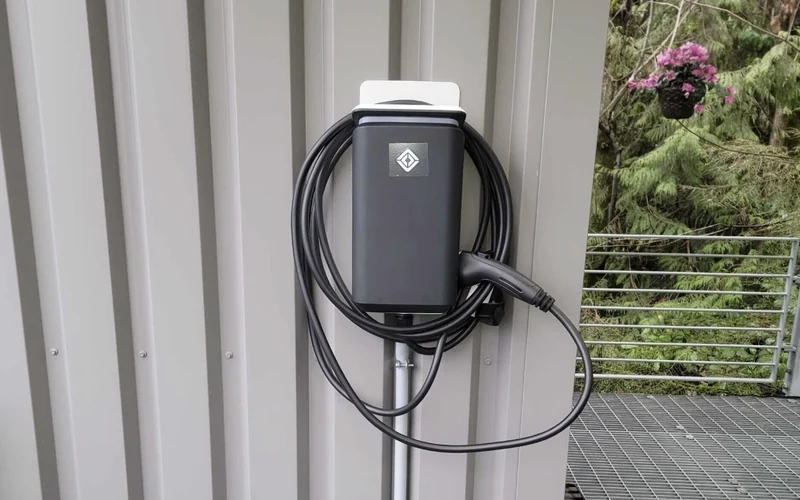
Hardwired Level 2 chargers
A permanent connection can support common residential charging rates and a clean wall-mounted installation.
Charge at home with a Level 2 system planned around your vehicle, electrical capacity, parking location, and daily driving. Electric Edge installs Tesla and universal charging equipment across Snohomish County.
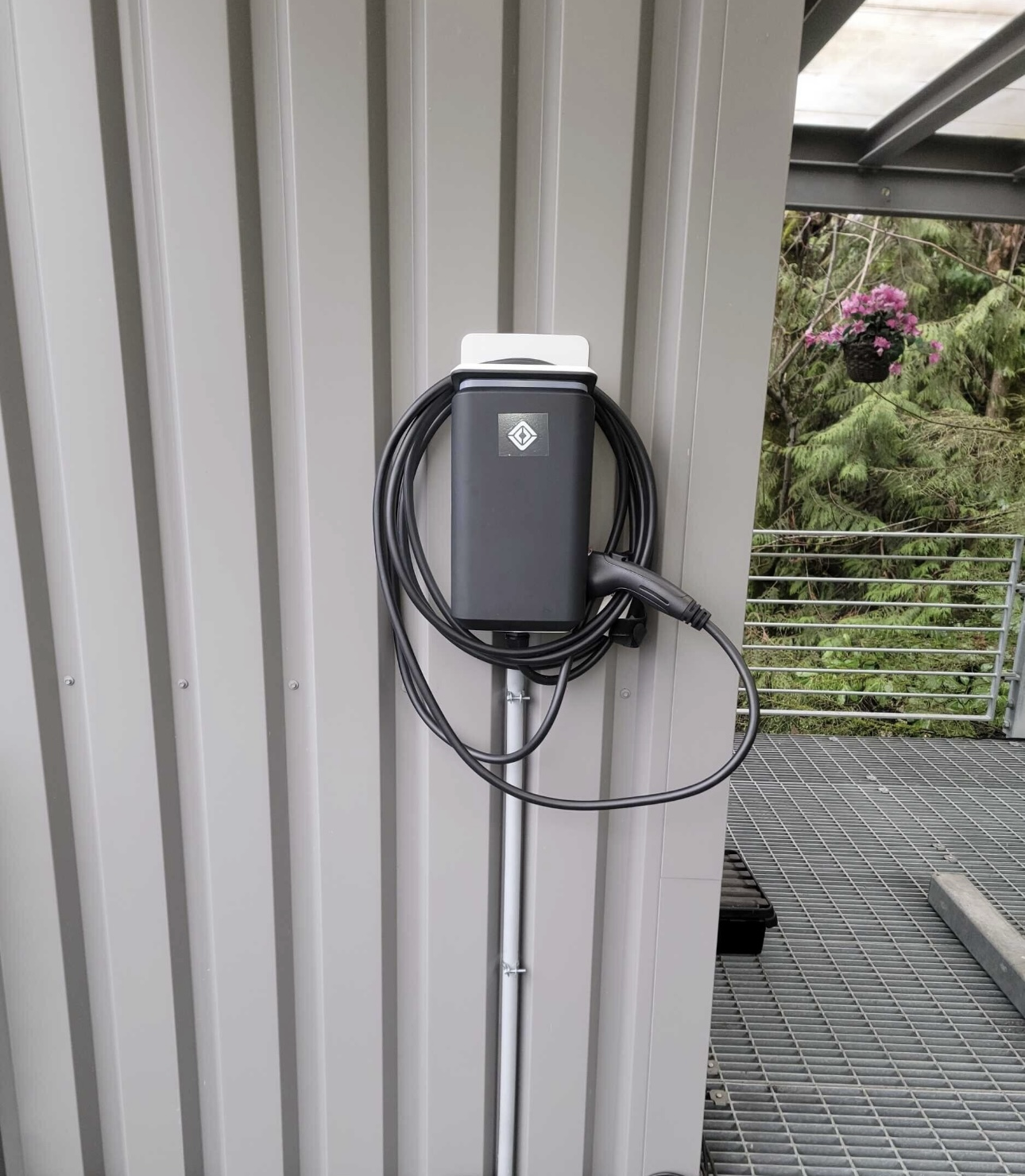
A home EV charger is more than a device mounted on a wall. The circuit size, service capacity, cable route, charger settings, parking location, weather exposure, and plans for a second vehicle all affect a reliable installation.
Electric Edge reviews the complete picture before recommending equipment or circuit work. If the home has enough capacity, installation may be straightforward. If capacity is limited, we can explain options such as managed charging, a lower configured output, panel changes, or a coordinated service upgrade.
Good electrical planning also looks beyond the immediate installation. Access, equipment clearances, circuit labeling, permits, inspection requirements, manufacturer instructions, utility coordination, finish impacts, and future loads can all shape a durable result. Before work begins, Electric Edge identifies the assumptions that affect scope and explains the choices in practical language. During installation, the team protects the work area, follows the agreed plan, and tests the completed system. At handoff, homeowners understand what was installed, how it operates, and which maintenance or future considerations deserve attention. That disciplined process helps prevent surprises and makes the improvement easier to own long after the electrician leaves.
Talk with an electricianA professional assessment connects visible symptoms and project goals to the condition and capacity of the electrical system.
The right scope depends on the home, existing equipment, access, load requirements, and future plans.
A permanent connection can support common residential charging rates and a clean wall-mounted installation.
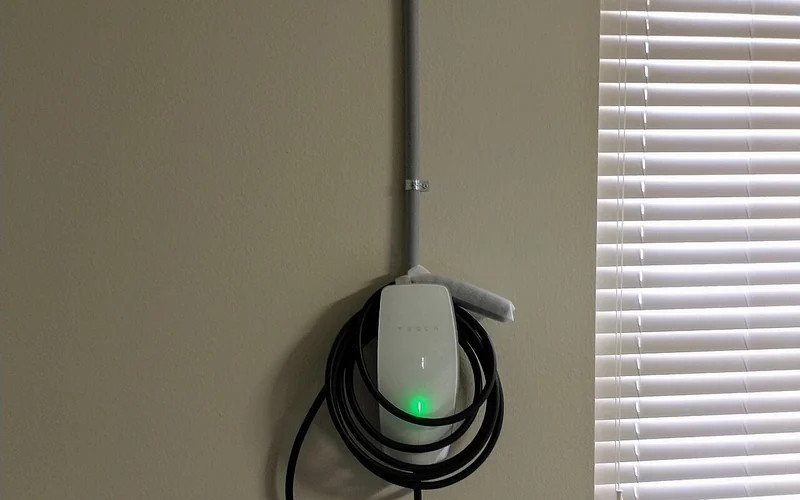
Circuit planning, mounting, configuration, and testing for compatible Tesla charging equipment.
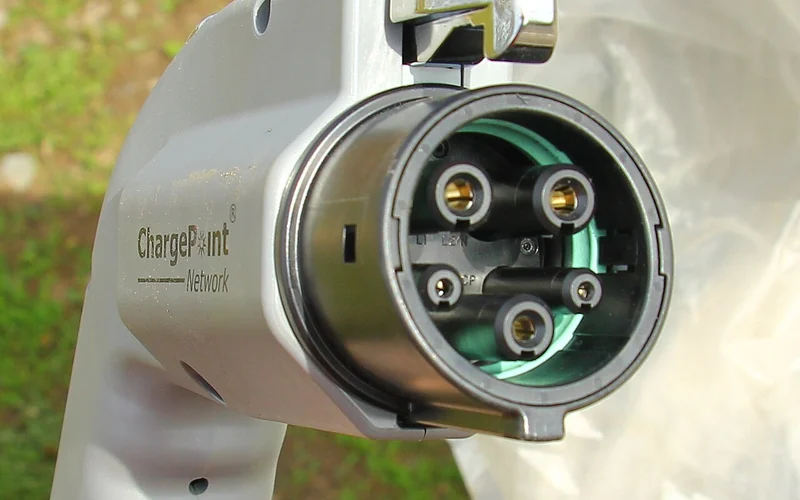
Installation for homeowner-selected charging stations compatible with the vehicle and electrical system.
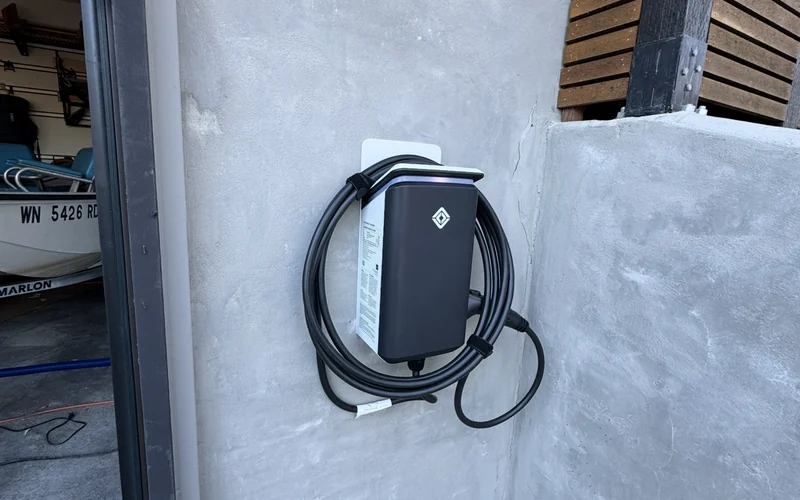
Routes and mounting are planned for attached garages, detached garages, carports, and outdoor parking areas.
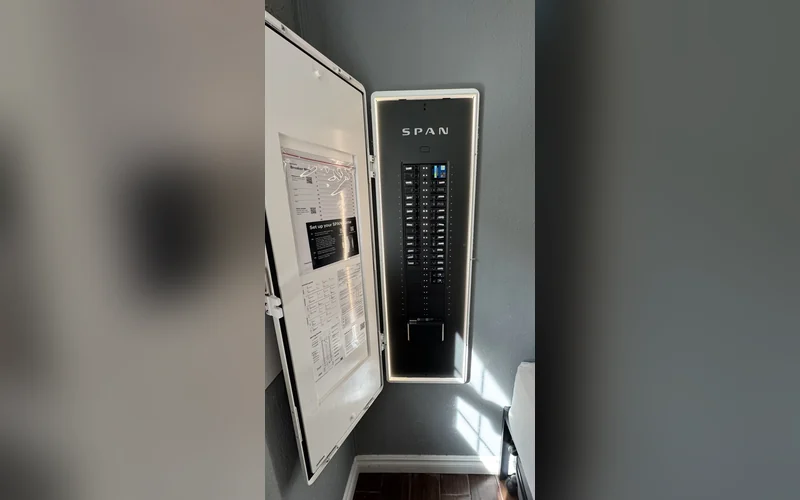
Where capacity is constrained, compatible controls or configured charging output may provide an alternative to immediate service changes.
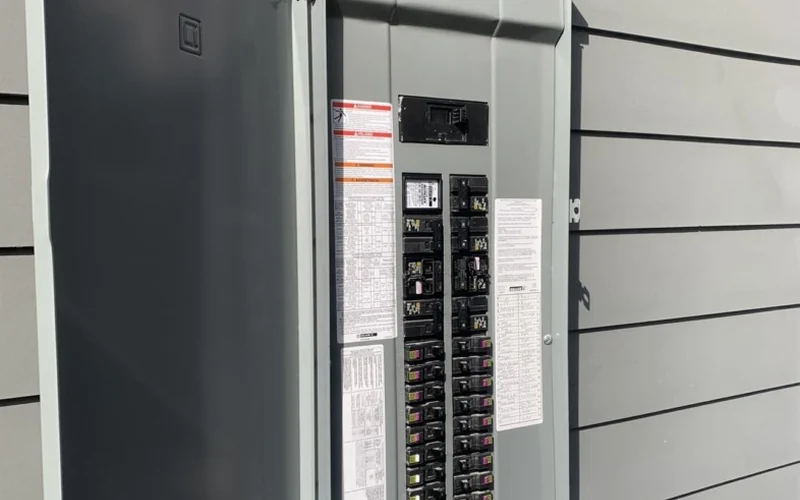
Homes needing more capacity can coordinate the charger project with a panel or electrical service upgrade.
Stock images are illustrative, not photographs of Electric Edge projects. Photos cropped/resized; adaptations remain under their original licenses.
Electric Edge keeps the project understandable from the first conversation through final testing.
We confirm the vehicle, charger, parking arrangement, daily use, and any future EV plans.
The panel, service, load, proposed circuit route, and installation environment are evaluated.
You receive a clear scope covering equipment, circuit requirements, routing, mounting, and any capacity-related work.
The charger is mounted, connected, configured as applicable, tested, and reviewed with you before use.
Veteran-owned Electric Edge brings disciplined planning and practical communication to residential electrical projects across Snohomish County.
The goal is useful charging performance that fits the home—not simply the largest circuit available.
Routing, mounting, cable reach, and appearance are planned together.
If the project needs panel, service, surge protection, or future battery preparation, the work can be coordinated.
Charging speed depends on the circuit, charger setting, vehicle onboard charger, battery state, and temperature. Electric Edge can help select a practical output for your driving needs.
Not necessarily. The appropriate circuit depends on the charger, vehicle, desired charging rate, existing capacity, and manufacturer requirements.
A load calculation and panel review are needed. Some homes have room for a charger; others benefit from managed charging, a lower output, panel work, or a service upgrade.
Yes, when the selected equipment and installation method are suitable for the location and weather exposure.
Both approaches can be appropriate. Charger specifications, desired output, connection reliability, and applicable requirements should guide the decision.
Yes. Tell us about likely future vehicles so circuit routing, capacity, and compatible load-management options can be considered now.
Request a free estimate from Electric Edge and get a practical next step for your project.

